

Writer: Emily Wekulo
As Easter 2025 approaches, Kenya offers some of the most meaningful and spiritually enriching vacation experiences on the African continent. Blending breathtaking natural landscapes with deep religious significance, Kenya provides the perfect backdrop for those seeking to celebrate Easter uniquely and profoundly. Easter Celebrations in Kenya is where Faith Meets Natural Wonder. Come Travel Kenya Limited Offers you a chance to combine spiritual experiences with safaris. Below are some of the places you can deliberately go to for a spiritual fill-in:
Nairobi’s Holy Week Experience
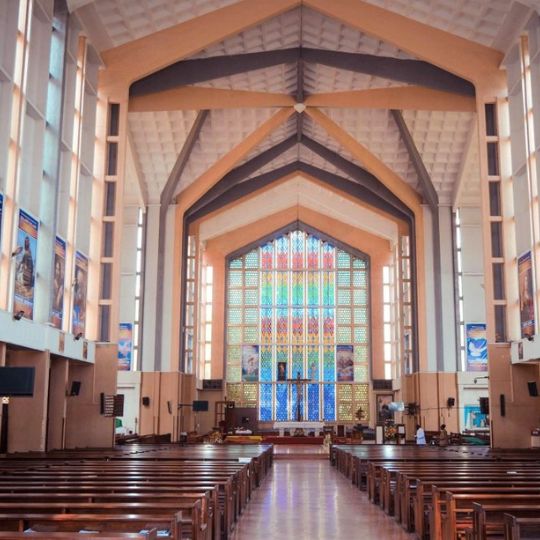
Kenya’s capital transforms during Holy Week, marked by vibrant processions and services. The Holy Family Basilica hosts one of East Africa’s most spectacular Easter vigils, where thousands gather for the Saturday night service that begins in darkness and culminates with the joyous proclamation of Christ’s resurrection as the cathedral fills with light and music.
Easter 2025 Special: The Basilica is planning an international choral festival coinciding with Easter celebrations, bringing together gospel choirs from across Africa and beyond. You shouldn’t miss this. Come Travel Kenya will organize your travel itinerary for you. Come let us celebrate Easter together, in Kenya.
Nyeri Cathedral Easter Retreat
Nestled in the highlands below Mount Kenya, Nyeri’s Christ the King Cathedral offers an Easter retreat package that combines spiritual reflection with the stunning natural beauty of Kenya’s central highlands.
The three-day program includes Good Friday mountain pilgrimages, Easter Eve meditation gardens, and a sunrise Easter service overlooking the misty valleys. You can go for a Safari afterwards, or go on and hike on Mount Kenya, for a spiritual getaway.
Lake Naivasha Resurrection Celebration
For families, the Lake Naivasha Easter Festival combines faith and adventure. Stay at one of the lake’s eco-lodges and participate in sunrise boat services on Easter morning, followed by community feasts featuring traditional Kenyan cuisine.
The nearby Hell’s Gate National Park (ironically named for such a holy occasion) offers biblically-themed hiking trails with local guides explaining the spiritual significance of the dramatic landscapes. A floating Easter altar will be set up on Lake Naivasha, allowing boaters to participate in services from the water.
Sacred Pilgrimages in Kenya
Beyond Easter-specific celebrations, Kenya boasts numerous sites of religious significance that welcome pilgrims and spiritual tourists throughout the year. Below are some of the pilgrimage points in Kenya to add to your religious bucket list:
The Marian Shrine of Subukia (Our Lady of the Place of Prayer)
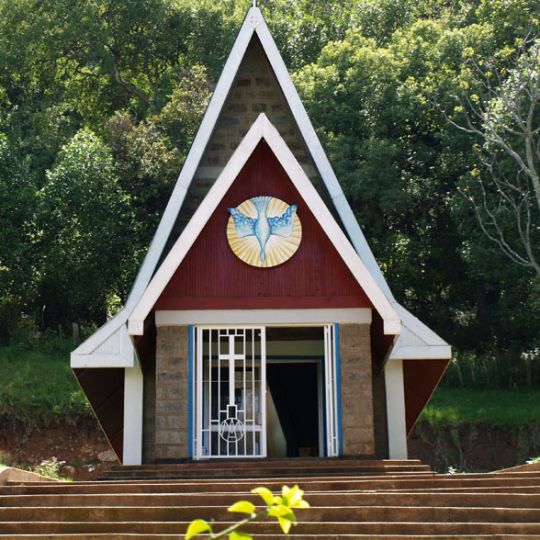
Located in the Rift Valley, this Catholic shrine dedicated to the Virgin Mary has become one of Kenya’s most important pilgrimage sites. The shrine features a perpetual spring considered by many to have healing properties. Pilgrims walk the hillside Stations of the Cross culminating at a large cross overlooking the spectacular valley vista.
The shrine complex includes meditation gardens, overnight accommodation for pilgrims, and regular masses. During Easter, special processions and all-night prayer vigils create an especially powerful atmosphere.
Kaya Forests: Sacred Groves of the Mijikenda
For those interested in indigenous spiritual traditions, the Kaya forests along Kenya’s coast represent ancient sacred sites protected by local communities for centuries.
These forest sanctuaries contain prayer clearings and ancestor shrines of the Mijikenda people, who consider the forests dwelling places of their ancestors and deities.
Local elders serve as guides, explaining the rituals and beliefs associated with these UNESCO World Heritage sites, offering a fascinating glimpse into traditional African spirituality that has sometimes blended with Christianity.
St. Paul’s Cathedral, Embu
This Anglican cathedral has become notable for its Easter celebrations that beautifully blend Anglican liturgy with Kikuyu cultural elements. The Easter vigil includes traditional dance, drumming, and symbolic lighting ceremonies that represent the resurrection story through local cultural expressions.
The cathedral will host an Easter cultural exchange program where visitors can learn traditional spiritual songs and dances before participating in the celebration.
Jamia Mosque, Nairobi

While primarily serving Kenya’s Muslim community, this magnificent mosque in downtown Nairobi offers guided tours for visitors interested in Islamic architecture and traditions. Though not an Easter destination specifically, the mosque represents Kenya’s religious diversity and offers visitors insight into Islamic spiritual practices.
During major religious holidays, the mosque sometimes participates in interfaith dialogues and community outreach, embodying Kenya’s tradition of religious tolerance.
Combining Religious Significance with Natural Wonder
What makes Kenya’s religious tourism exceptional is the seamless integration of spiritual experiences with the country’s renowned natural attractions.
Mount Kenya Pilgrimage
Considered sacred by several Kenyan communities, Mount Kenya offers spiritually-minded hikers a challenging but rewarding trek. Local guides can explain the mountain’s significance in traditional belief systems, while Christian groups often organize Easter sunrise services at viewpoints along the mountain trails.
Ngong Hills Prayer Retreat
Just outside Nairobi, these rolling hills featured in “Out of Africa” host multiple Christian retreat centres where Easter services are held against the backdrop of the Great Rift Valley. Dawn services on Easter morning are particularly popular, as the sun rises over the savanna.
Lake Baringo Biblical Ecology Tours
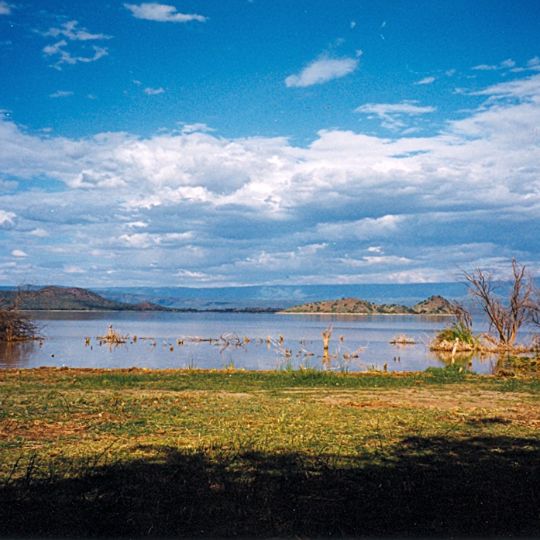
This freshwater lake in the Rift Valley offers specialized tours focusing on biblical ecology—exploring similarities between Kenyan landscapes and those mentioned in biblical narratives. Easter week packages include boat tours identifying flora and fauna that would have been familiar in biblical times, creating connections between scripture and the natural world.
Practical Tips for Religious Travelers to Kenya
- Dress Code: When visiting religious sites, modest dress is appreciated—shoulders and knees should be covered regardless of gender.
- Timing: Easter falls during Kenya’s rainy season, so pack accordingly and be prepared for occasional showers between sunny periods.
- Languages: While services at international churches are often in English, experiencing local language worship can be deeply moving even if you don’t understand every word.
- Photography: Always ask permission before photographing religious ceremonies or inside sacred spaces.
- Contributions: Many religious sites depend on visitor donations for maintenance—consider supporting the places you visit.
Frequently Asked Questions About Religious Vacations in Kenya
Is Kenya safe for religious tourism?
Kenya is generally welcoming to religious tourists of all faiths. Major religious sites and tourist areas maintain good security. As with travel anywhere, staying aware of your surroundings and following local advice ensures a safe experience.
Do I need to be religious to visit these sites?
Not at all! While these locations hold spiritual significance, they welcome respectful visitors of all beliefs or none. Many appreciate the sites for their historical, architectural, or cultural value.
What should I pack for an Easter vacation in Kenya?
Light, modest clothing suitable for both warm days and cooler evenings. Include rain protection as Easter falls during the long rainy season. For church services, slightly more formal attire is appropriate but not strictly required for tourists.
Can I participate in ceremonies if I’m not a member of that faith?
In most cases, yes. Kenyans are generally welcoming and appreciate visitors who show interest in their traditions. Some portions of certain ceremonies may be reserved for adherents, but guides will clearly explain any restrictions.
Are there accommodations specifically for religious pilgrims?
Several religious sites offer pilgrim hostels or retreat centre accommodations. These are typically simple but comfortable, with the advantage of being located directly at or near the sacred site. Booking in advance is recommended, especially for Easter week.
How do I find English-language religious services?
Major cities and tourist areas offer services in English, particularly at Catholic and Anglican churches. Tourist information centres can provide current schedules, or your hotel concierge can assist you in finding suitable services.
Can religious tourism be combined with traditional safari experiences?
Absolutely! Many tour operators offer packages that include both religious sites and wildlife safaris. The Easter period coincides with lush landscapes after the rains begin, creating beautiful green scenery for both spiritual and wildlife experiences.
Kenya’s unique blend of deep spirituality, cultural diversity, and natural beauty makes it an ideal destination for those seeking a meaningful Easter experience or religious pilgrimage. Whether walking ancient pilgrimage routes, participating in vibrant Easter celebrations, or quietly contemplating sacred natural settings, Kenya offers religious travellers an unforgettable journey of both external exploration and internal reflection.